
 English
 Türkçe
 Русский
 Español
 Français
 Deutsch
 한국어
한국어
 中文
中文
 Български
 Indonesia
 Italiano
 日本語
日本語
 Português
 Svenska
 العربية


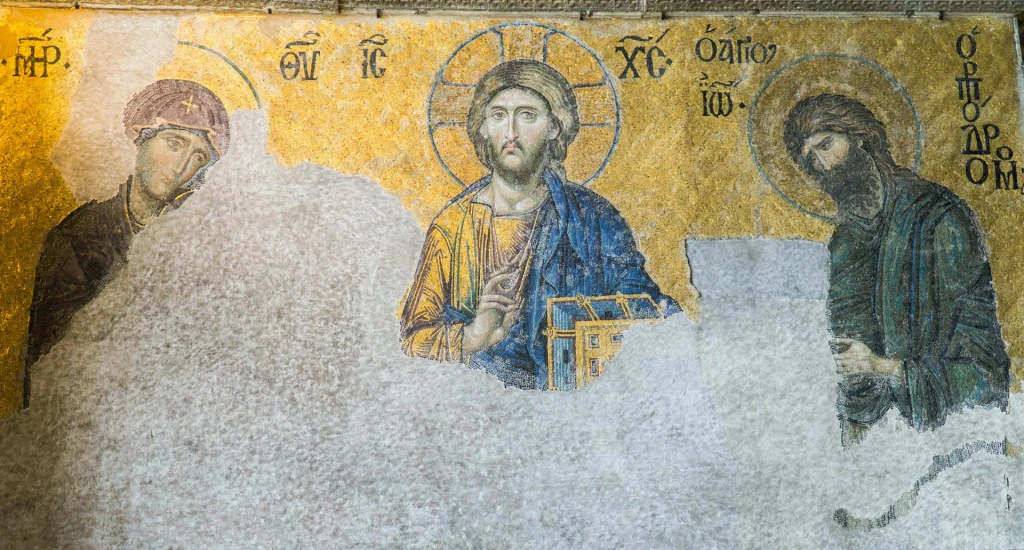
If you only have a few hours in Istanbul, Hagia Sophia can either be the highlight of your day or the place where your schedule starts slipping. Knowing how to visit Hagia Sophia efficiently matters because this is not a stop where you simply walk up, step inside, and move on. Entry patterns, prayer times, security lines, dress rules, and the general pace of Sultanahmet all affect how much time you actually need.
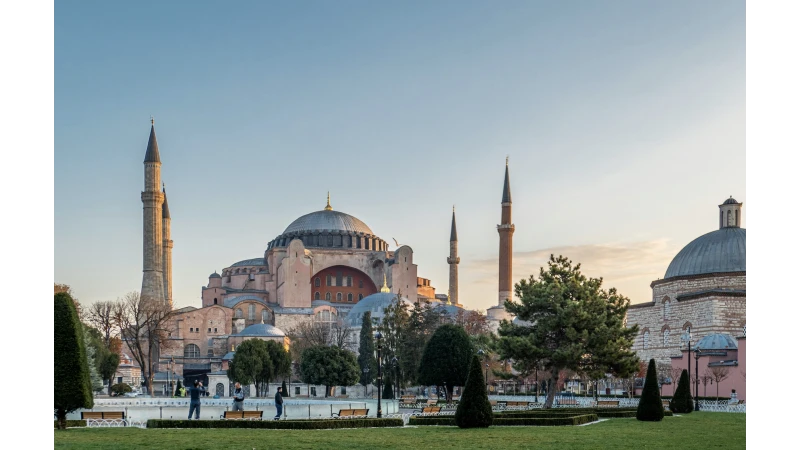
Hagia Sophia sits in one of the busiest historic zones in the city, close to the Blue Mosque, Basilica Cistern, and Topkapi Palace. That sounds convenient, and it is, but it also means crowds build quickly and the area can become slow to navigate by late morning. For travelers on a layover, cruise stop, or tightly planned city day, efficiency comes from timing and sequencing more than speed.
The biggest mistake visitors make is arriving whenever they happen to reach Sultanahmet. Hagia Sophia is an active mosque, not only a historic monument, so access conditions can shift during the day. Prayer times affect visitor flow, and security screening can create delays even when the building itself looks manageable from the outside.
In most cases, the most efficient strategy is to arrive early in the day, ideally soon after the area becomes active for visitors. Early hours usually give you a better chance of shorter security lines, easier photos outside, and a calmer interior experience. The later you go, the more likely you are to lose time standing in line behind tour groups and independent visitors arriving all at once.
Midday is usually the least efficient window. Sultanahmet is fullest, sunlight and heat can make the open square more tiring, and prayer-related pauses can interrupt plans. Late afternoon can work better than midday, but it depends on season, crowd levels, and the rest of your route.
If your schedule is tight, build flexibility into the order of nearby sites. If Hagia Sophia is crowded or temporarily less convenient for entry, it may make sense to visit the Basilica Cistern or walk the exterior of the Blue Mosque first, then return when the flow improves. This kind of adjustment saves more time than standing still in a line that is barely moving.
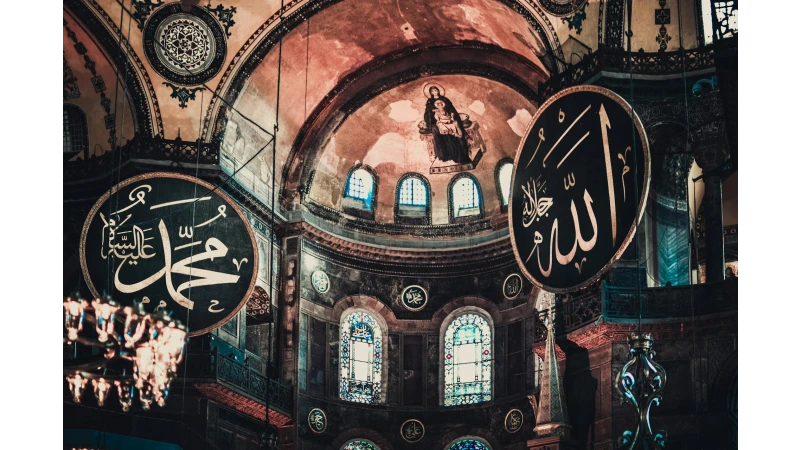
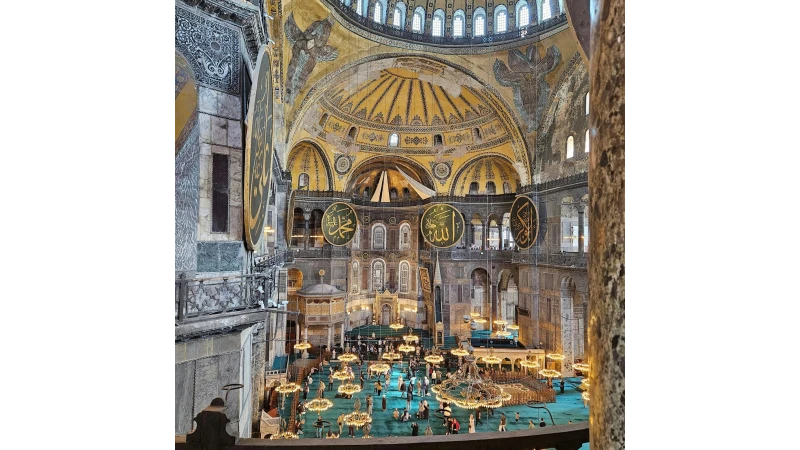
Efficiency depends on your goal. Some travelers want a quick but meaningful visit in 30 to 45 minutes. Others want to spend longer appreciating the architecture, upper-level access areas open to visitors, and the layered Byzantine and Ottoman history visible inside. Neither approach is wrong, but your route should match your purpose.
If Hagia Sophia is one stop during a layover tour or port day, you should treat it as a timed cultural priority, not an open-ended museum session. That means arriving with your dress requirements handled, knowing your next stop, and avoiding unnecessary backtracking across the square. If this is your main historic interest in Istanbul, then giving it more space in the schedule makes sense.
This is where private planning often helps. Travelers with limited time generally do better when transportation, walking order, and return timing are already set, especially if they also need a guaranteed return to the airport or cruise port.
One of the simplest ways to lose 20 minutes at Hagia Sophia is to arrive unprepared for entry. Because it functions as a mosque, modest dress is expected. Women should bring a head covering, and both men and women should avoid clothing that leaves shoulders or knees exposed. Shoes may need to be removed in certain areas, so wearing footwear that is easy to take off can make the visit smoother.
Do not assume you can solve everything at the door quickly. Sometimes coverings are available nearby, sometimes there is a line, and sometimes the process adds friction you could have avoided. If you already have a scarf or light wrap in your day bag, you remove that uncertainty.
Travel light if possible. Security checks are generally easier when you are not carrying oversized bags, shopping items, or extra luggage. For travelers coming directly from the airport, port, or hotel changeover, this matters more than expected.
The most efficient Hagia Sophia visit is usually part of a compact Sultanahmet route. The area rewards walking, but only if your stops are ordered well. A common smart sequence is Hagia Sophia first, then the Blue Mosque, then Basilica Cistern, followed by a break or transfer depending on how much time you have.
That order works because Hagia Sophia often benefits from an earlier arrival, while the square between major landmarks becomes more congested later. The Basilica Cistern can also serve as a useful adjustment point if prayer timing changes your access window for one of the mosques.
Topkapi Palace is nearby, but adding it on the same short schedule changes the pace of the day. Topkapi is not a quick stop. If you are trying to see Hagia Sophia efficiently in a half day, pairing it with every major nearby attraction usually creates the opposite result. It is better to do fewer sites well than rush through all of them and spend most of your time navigating entrances.
For cruise passengers and layover travelers, transfer time to and from Sultanahmet should also be calculated realistically. Istanbul traffic can be unpredictable. A plan that looks efficient on a map can fall apart if return logistics are left too loose.
For most visitors, allow around 45 to 60 minutes for Hagia Sophia itself, plus extra time for entry and waiting. If lines are light and your purpose is focused, you can move through more quickly. If crowds are heavy or you want time to absorb the details, 75 to 90 minutes is more realistic.
The key is not the interior viewing time alone. It is the total block you reserve from arrival at the square to departure for your next stop. That is the number that keeps your day on schedule.
If you are visiting on a layover, do not build your airport return around the best-case scenario. Build it around the likely scenario. The same applies to cruise passengers who must be back at port without stress. A professionally structured plan always leaves room for screening lines, traffic, and the normal unpredictability of a busy historic district.
There is no single perfect time for every traveler. Early morning is usually best for efficiency, but if your hotel is far away or your flight arrival makes an early start unrealistic, forcing that window may make the rest of the day harder. In that case, a late afternoon visit with a tighter nearby route may work better.
Similarly, independent visitors sometimes assume public transportation is always the fastest choice. In central areas, trams can be useful, but they also involve station walking, waiting, and crowding. If your day is time-sensitive, private transportation can reduce uncertainty even if the actual drive time is not dramatically shorter.
Guided versus self-guided is another real trade-off. A self-guided visit can be perfectly efficient if you have done the preparation. But if you are unfamiliar with Istanbul, prayer-time etiquette, and the layout of Sultanahmet, professional guidance often saves time by removing small but costly mistakes. Eternal Wonder Tours typically sees this most clearly with first-time visitors who have only one day and want to combine culture with dependable logistics.
If this is your first time in Istanbul, keep the Hagia Sophia portion of your day simple. Arrive early, dress appropriately in advance, carry only what you need, and pair the visit with no more than two nearby major sites unless you have a full day. Leave buffer time before any airport or port return.
Also, do not measure efficiency by how fast you exit. Hagia Sophia is one of the most significant buildings in the city, and part of visiting well is giving yourself enough time to look up, pause, and understand where you are. Efficient travel is not rushed travel. It is organized travel.
The best Hagia Sophia visit is the one that fits your schedule without putting pressure on the rest of your day, and that usually comes down to smart timing, realistic expectations, and a plan that respects both the site and your clock.










 info@eternalwondertours.com
 +90 5357094145