
 English
 Türkçe
 Русский
 Español
 Français
 Deutsch
 한국어
 中文
 Български
 हिन्दी
 Indonesia
 Italiano
 日本語
 Melayu
 Português
 Svenska
 العربية



The first decision after landing in Istanbul is not where to find the Blue Mosque. It is how you will get from the terminal to your hotel without losing time, overpaying for a ride, or beginning your trip tired and uncertain. This Istanbul arrival guide covers the practical details that make those first hours calmer, whether you are staying for one night, arriving for a cruise, or fitting the city into a short layover.
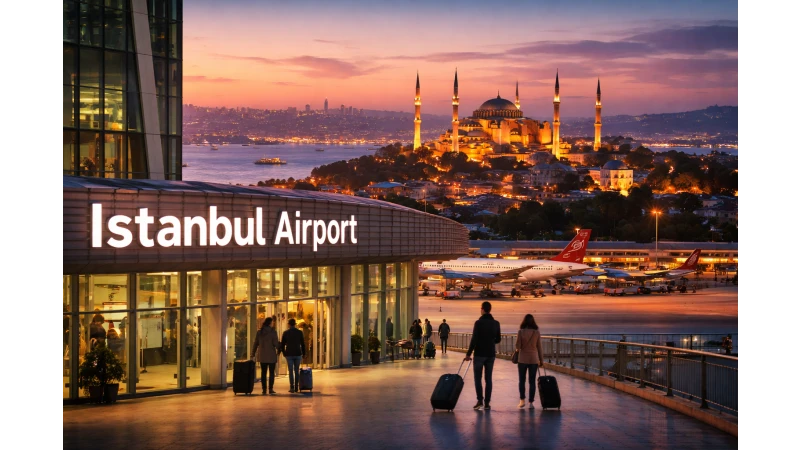
Istanbul has two major airports, and they are on different sides of the city. Istanbul Airport, usually shown as IST, is on the European side and handles most international flights. Sabiha Gokcen International Airport, shown as SAW, is on the Asian side and is commonly used by several low-cost and regional airlines.
The airport code matters because Istanbul is large and traffic can be significant. A hotel in Sultanahmet, Taksim, Karakoy, or Galataport may be reached relatively directly from Istanbul Airport, depending on traffic. From Sabiha Gokcen, the same destinations require crossing toward the European side, which can add substantial time.
Before you land, confirm your airport, hotel address, and expected arrival time. If you have a cruise departure, flight connection, restaurant reservation, or tour booked that day, build in a realistic buffer. A map may show a manageable distance, but road conditions, rush hour, and bridge crossings can change the journey.

Keep the items you may need at the airport in your carry-on rather than in checked luggage. This is especially helpful after a long international flight, when airport Wi-Fi, payment terminals, and information desks can feel like one more thing to manage.
Have these four essentials accessible:
Entry rules depend on your passport and travel purpose. Many visitors can arrange a Turkish e-Visa before travel, while others may have different requirements. Check the current rules well before departure rather than relying on advice from a previous trip.
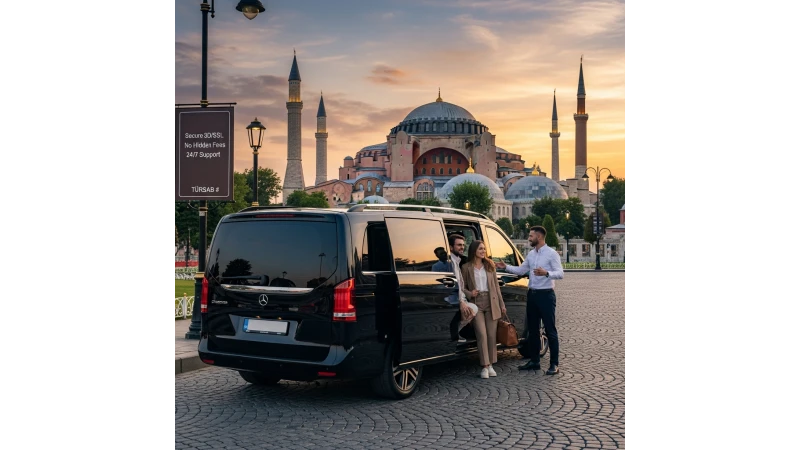
For many international visitors, a pre-booked private airport transfer is the simplest choice. Your driver tracks the planned arrival, meets you according to the agreed instructions, and takes you directly to your hotel or meeting point. It is particularly useful for families, travelers with several bags, first-time visitors, and guests arriving late at night.
A private transfer also removes the need to negotiate a fare or explain an unfamiliar address after a long flight. Confirm what is included before booking: meet-and-greet details, luggage capacity, vehicle type, waiting time, and whether the price is fixed. A clear booking confirmation should state these details without surprise charges.
Taxis are available at both airports and can be suitable for travelers who are comfortable using them. Use the official taxi line, make sure the meter is operating, and keep the hotel address available in writing. Traffic can affect the final fare, so taxis are less predictable than a fixed-price transfer.
Public transportation costs less and can work well for light packers who are staying near a convenient metro, tram, or bus connection. The trade-off is time and effort. You may need to buy an Istanbulkart, change lines, handle luggage on stairs or platforms, and walk from the final stop to your hotel. That can be reasonable during a longer stay, but it is rarely the best use of a short layover or a cruise day.
Turkish lira is the local currency. Cards are widely accepted at hotels, restaurants, museums, and established shops, but having a small amount of cash is still useful for tips, small purchases, and certain local services.
Avoid exchanging all your money at the airport unless you need cash immediately. Airport exchange counters are convenient but often offer less favorable rates than options in the city. Withdraw a modest amount from an ATM if needed, and review your bank's international transaction and ATM fees before travel.
For mobile service, decide whether an eSIM, international roaming plan, or local SIM card fits your trip. An eSIM is often the fastest option for travelers whose phones support it because it can be activated before landing. A local SIM may be worthwhile for longer stays, while international roaming can be convenient for a brief visit if the daily cost is reasonable.
Reliable data helps with hotel communication, navigation, translation, and confirming transfer instructions. Download offline maps and save your hotel location before boarding your flight. Do not depend on finding strong Wi-Fi the moment you exit the terminal.
Istanbul's most popular visitor neighborhoods each offer a different arrival experience. Sultanahmet places you close to historic landmarks but has narrow streets and limited vehicle access in some areas. Taksim and Beyoglu are lively and central, though traffic and hills can be factors. Karakoy and Galataport suit travelers who want easy access to the waterfront, restaurants, and cruise terminal area.
Send your hotel your expected arrival time, especially if you land very early or late. Standard check-in may not be available when you arrive, but many hotels can store bags while you rest, eat, or begin sightseeing. If early access to a room matters, ask about it in advance rather than assuming it will be available.
Once you arrive, take a photo of the hotel business card or save its location. Istanbul's streets can be wonderfully atmospheric, but names and building numbers are not always obvious when you are trying to return after dark.
A full-day sightseeing schedule immediately after an overnight flight is not always a good value, even if your time is limited. Jet lag, immigration lines, and traffic can make a carefully planned day feel rushed. Give yourself permission to choose a lighter first afternoon.
If you arrive in the morning and your hotel cannot check you in yet, consider a relaxed breakfast with a Bosphorus view, a short walk through Sultanahmet, or a gentle ferry ride. Save the most detail-rich experiences, such as major museums and palace visits, for when you are rested enough to appreciate them.
The exception is a structured layover or shore excursion with a limited window. In that case, a private guided itinerary with transportation can make excellent use of the time because the route, timing, and return logistics are planned around your flight or ship schedule. Eternal Wonder Tours can arrange private airport and port experiences for travelers who want local guidance without giving up control of their return time.
Your arrival plan should include your departure plan. Istanbul Airport is large, and international departures can involve a long walk, security checks, passport control, and occasional queues. Cruise passengers should also account for terminal procedures and the time required to return to Galataport.
Confirm the pickup time with your transfer provider the day before departure. If you have booked a private tour on your final day, make sure the guide and driver know your flight or ship schedule from the start. A good itinerary is not only about what you see. It is about returning with enough time to leave comfortably.
Istanbul rewards travelers who make room for both the famous sights and the unexpected moments: a tea by the water, a neighborhood bakery, the call of a ferry crossing the Bosphorus. Start with dependable transportation and a realistic timetable, then let the city do the rest.











 info@eternalwondertours.com
 +90 5357094145
