
 English
 Türkçe
 Русский
 Español
 Français
 Deutsch
 한국어
한국어
 中文
中文
 Български
 हिन्दी
 Indonesia
 Italiano
 日本語
日本語
 Melayu
 Português
 Svenska
 العربية


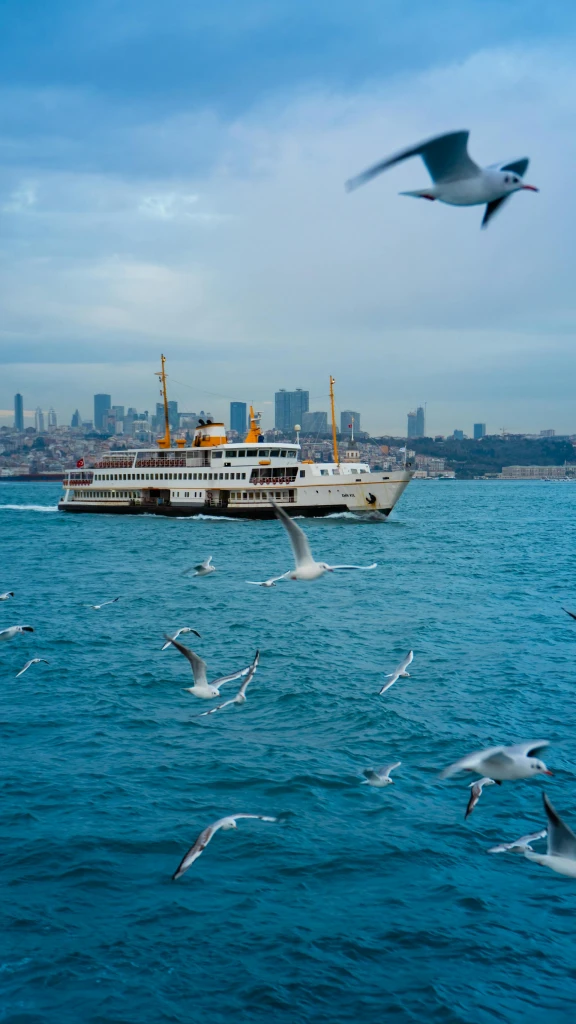
If you’ve recently taken a stroll along the shores of Istanbul or crossed the Bosphorus Bridge, you probably noticed something breathtaking. The usually deep-blue waters of the Bosphorus have transformed into a vibrant, neon-tinted turquoise.
No filters, no camera tricks—Istanbul is literally glowing right now.
While social media is buzzing with wild rumors, the real story behind this stunning phenomenon is a mix of natural magic and marine science. As Eternal Wonder Tours, we love diving into Istanbul’s secrets, so let’s unpack why the city’s iconic strait is looking like the Maldives this week!
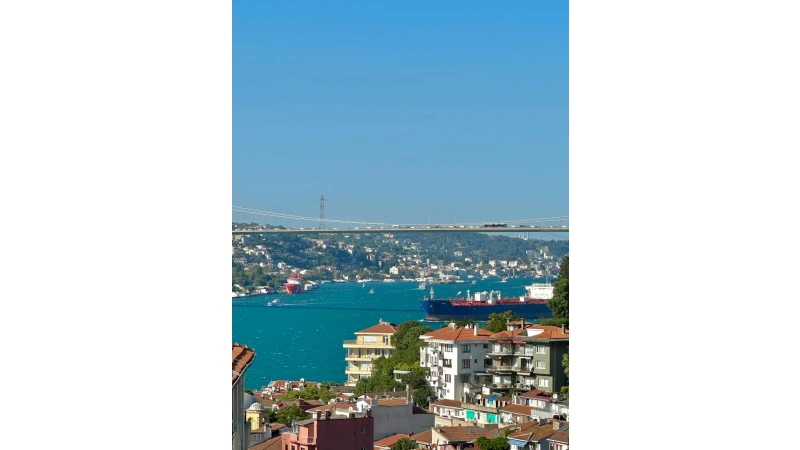
Whenever a body of water changes color so drastically, the first concern is often environmental health. However, marine biologists have reassuring news: this color shift is actually a sign of a thriving marine ecosystem.
The mastermind behind this makeover is a microscopic, single-celled organism called Emiliania huxleyi (a type of phytoplankton). As the weather warms up, these tiny organisms multiply at a rapid pace in a natural event known as an "alga bloom."
So, why did it happen so suddenly? Nature cooked up the perfect recipe over the last few weeks:
Fun Fact: This phenomenon isn’t unique to 2026. It happens every few years, famously captured by NASA satellites in past summers, showing a turquoise swirl stretching across the entire Black Sea and into the Bosphorus.
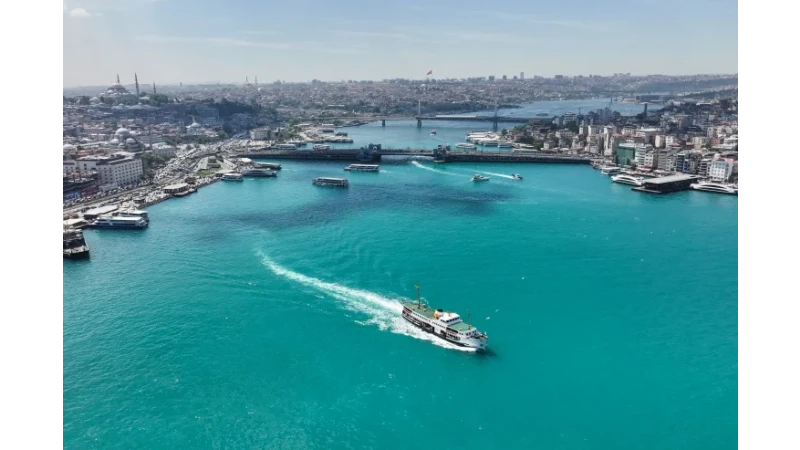
This mesmerizing hue won't last forever—usually, the water returns to its regular navy blue within a couple of weeks once the nutrients are consumed.
The dolphins of Istanbul are already enjoying the view, racing alongside ferries in the bright green-blue waters. If you want to experience this postcard-perfect version of the city, there is no better way than seeing it from the water itself.
Whether you want to capture it from a private yacht or catch the view during a guided stroll through the historic shores of Ortaköy and Bebek, make sure you don't miss it.
Are you ready to explore the wonders of Istanbul with us?











 info@eternalwondertours.com
 +90 5357094145