
 Svenska
 Türkçe
 English
 Русский
 Español
 Français
 Deutsch
 한국어
 中文
 Български
 हिन्दी
 Indonesia
 Italiano
 日本語
 Melayu
 Português
 العربية


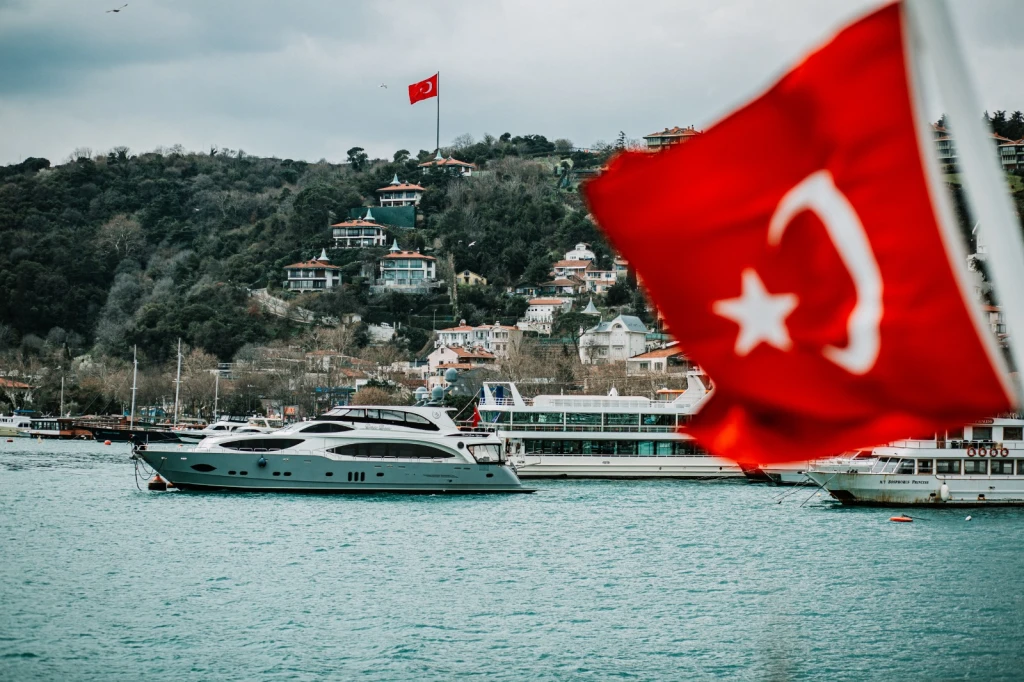
A Bosphorus cruise can be the quietest hour of an Istanbul itinerary - or the moment when a packed sightseeing day falls apart because the boat was crowded, the route was shorter than expected, or the return timing was unclear. The right choice depends less on finding the cheapest ticket and more on matching the cruise to the time you actually have. This Bosphorus cruise review explains what travelers can realistically expect, who will enjoy it most, and when a private option is worth considering.
The Bosphorus is not simply a scenic stretch of water. It is the strait separating Europe and Asia, with Ottoman palaces, waterfront mansions, mosques, bridges, and working ferry traffic passing in the same view. From the water, Istanbul’s geography becomes much easier to understand. You can see how neighborhoods sit along the hills, why the Golden Horn matters, and how closely the city’s daily life is tied to the sea.
The experience is especially valuable for first-time visitors because it gives a broad visual introduction without the walking, hills, and traffic involved in a full day on land. It is also a welcome change after touring major sites such as Hagia Sophia, the Blue Mosque, Topkapi Palace, or the Grand Bazaar.
That said, the Bosphorus is not a silent, untouched landscape. Expect ferries, cargo ships, tour boats, shore traffic, and occasional construction along the waterfront. For most visitors, that activity adds character. Travelers looking for a remote or nature-focused boat trip may find it busier than imagined.
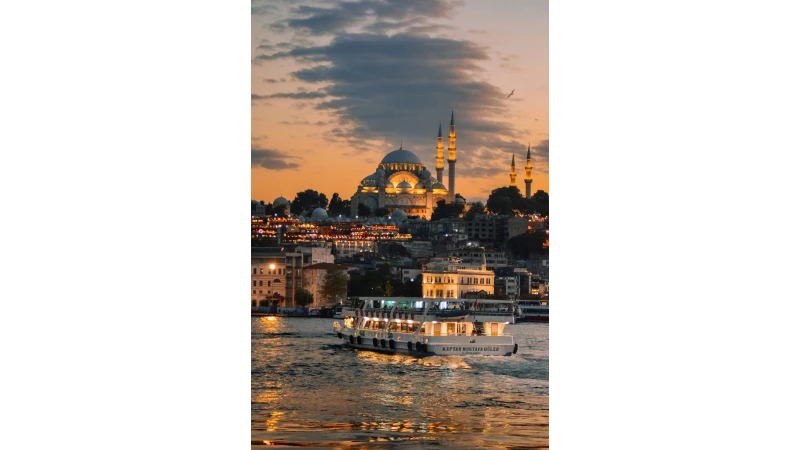
Most travelers choose between a standard group sightseeing cruise, a dinner or entertainment cruise, and a private charter or private guided cruise. Each can be a good fit, but they are very different products.
A standard daytime group cruise is usually the best value for visitors who want the views, have a flexible schedule, and do not mind sharing space. These tours commonly follow a central section of the Bosphorus, passing landmarks such as Dolmabahce Palace, Ortakoy Mosque, the Bosphorus Bridge, Rumeli Fortress, and waterfront neighborhoods on both continents. Commentary may be live, recorded, limited, or absent, depending on the operator.
The trade-off is predictability. Boarding lines can be longer in high season, seating is generally first come, first served, and a large group cannot adjust the route or pace for your interests. If you have a cruise-ship all-aboard time, an airport transfer to catch, or a tightly planned private tour, those variables matter.
Dinner cruises are designed more for atmosphere than sightseeing. Evening lights on the bridges are beautiful, and a meal on the water can be memorable for couples or families celebrating a special occasion. However, travelers should view the show, music, meal service, and social setting as the main experience. Darkness limits landmark viewing, and these cruises can run late. They are not the strongest choice for someone whose priority is architecture, photography, or historical interpretation.
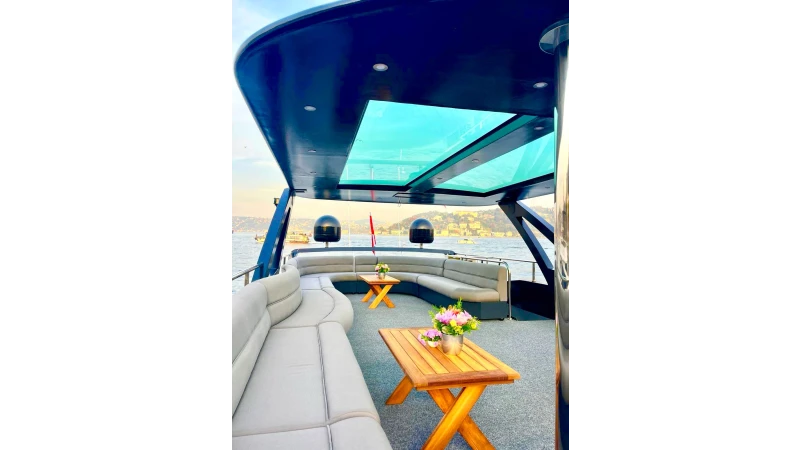
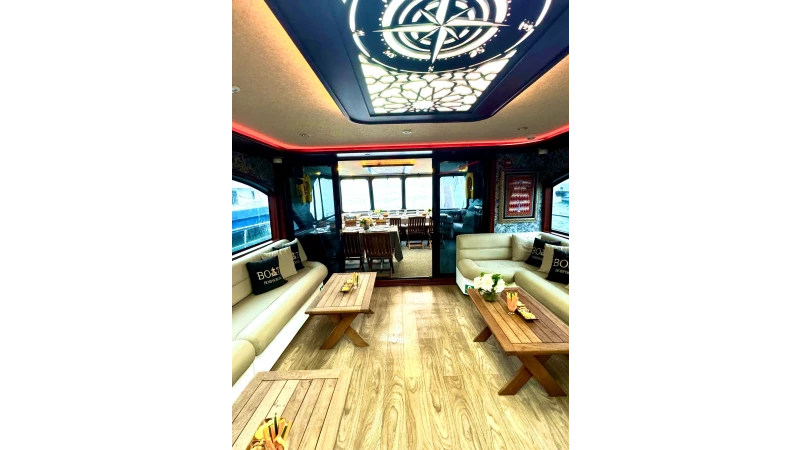
A private boat experience costs more, but it provides the control that many time-sensitive travelers value. You can select a departure time, avoid large boarding crowds, choose a duration that works around port or flight logistics, and enjoy the route with only your own party. With a licensed guide, the cruise can also become a more meaningful introduction to Istanbul’s neighborhoods, imperial history, and modern waterfront life.
For families with young children, couples seeking a calmer experience, and travelers arriving through Galataport with limited hours ashore, private arrangements often make practical sense. The value is not only the boat itself. It is the ability to coordinate pickup, sightseeing, and a reliable return to the port or airport without leaving timing to chance.
Late afternoon is often the most rewarding time for a daytime Bosphorus cruise. The light is softer, temperatures are usually more comfortable, and waterfront buildings photograph well from the open deck. Sunset departures can be excellent, although they are popular and may be more crowded.
Morning cruises have their own advantages. The air is often clearer, the city feels less hectic, and the experience can fit neatly before an afternoon of museum visits. This is a smart choice for travelers who are prone to motion sickness or heat sensitivity, especially during Istanbul’s warmer months.
Summer brings longer days and lively waterfront activity, but it also brings greater demand. On weekends and during peak travel periods, allow extra time for transfers and boarding. In spring and fall, the weather can be ideal, though a light jacket is still useful on the water. Wind can make a boat feel much cooler than the temperature on land.
Winter cruises can be surprisingly atmospheric when visibility is good. They are usually less crowded, but weather can be unpredictable and outdoor seating may not be enjoyable. If the cruise is a once-in-a-lifetime priority, build flexibility into the itinerary rather than booking it immediately before a flight or departure.
A low advertised price does not always tell you how easy the experience will be. Before confirming a cruise, check the departure pier, total duration, route, inclusions, and return arrangements. “Bosphorus cruise” can describe anything from a short panoramic ride to a half-day trip reaching farther north toward the Black Sea.
Ask whether hotel, port, or meeting-point transportation is included. Istanbul traffic can be slow and unpredictable, particularly around central districts and busy waterfront areas. A cruise that starts at an inconvenient pier may require more time than expected, even if the sailing itself is brief.
Also confirm the language and style of commentary. Travelers who only want views may be perfectly happy with an audio guide or no narration at all. Those who want context should look for a qualified guide who can answer questions rather than relying on a short recorded script.
Seating deserves attention as well. An upper deck provides the best views, but it is exposed to sun, wind, and spray. Indoor seating is more comfortable in poor weather, though window views can be limited. If photography matters, arrive early for a good outdoor position or choose a private arrangement where space is not a concern.
For many visitors, yes. A one- to two-hour Bosphorus cruise delivers a perspective that cannot be replicated from a taxi or sightseeing bus. It is particularly worthwhile after a long flight, on a first afternoon in the city, or when a layover leaves too little time for a full day of attractions.
It may be less worthwhile if you have only a few hours in Istanbul and have not yet seen the historic center. In that situation, the major monuments usually deserve priority. The cruise works best when it complements your plans rather than replacing the sites that brought you to Istanbul in the first place.
Cruise passengers should be especially careful with timing. A ship’s schedule is fixed, while local traffic, pier access, and boarding procedures can vary. A well-planned shore excursion should include a clear return buffer, not an optimistic estimate based on ideal conditions. Eternal Wonder Tours builds private Istanbul experiences around coordinated transportation and on-time port or airport return, which can remove much of that uncertainty.
Bring a light layer in every season, sunglasses during the day, and a secure strap or bag for your phone and camera. Motion sickness is not common on the central Bosphorus in normal conditions, but sensitive travelers may prefer to sit near the middle of the boat and look toward the horizon.
Avoid scheduling the cruise immediately after a heavy meal if you plan to spend time on an open deck. Keep valuables close in crowded boarding areas, and carry water during warm weather. Most importantly, leave room in your day. The best part of a Bosphorus cruise is watching Istanbul unfold without rushing to the next stop.
A good cruise should feel like a pause, not another logistical problem to solve. Choose the route and format that fit your schedule, protect your return time, and let the city’s two continents come into view at their own pace.











 info@eternalwondertours.com
 +90 5357094145
