
 English
 Türkçe
 Русский
 Español
 Français
 Deutsch
 한국어
 中文
 Български
 हिन्दी
 Indonesia
 Italiano
 日本語
 Melayu
 Português
 Svenska
 العربية


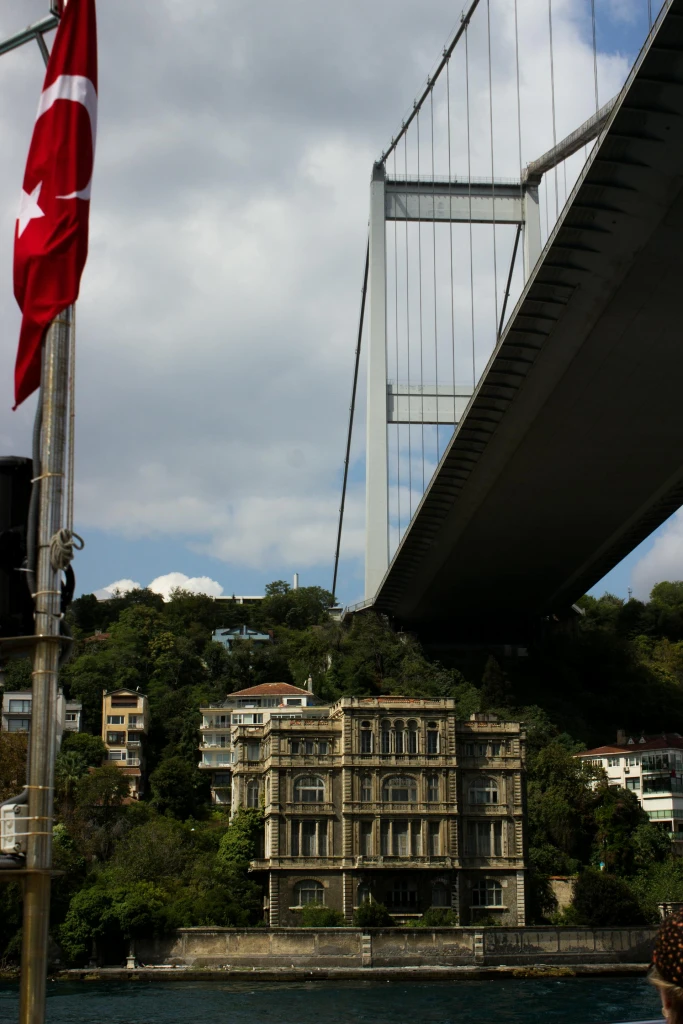
A few hours in Istanbul can disappear quickly between airport traffic, port procedures, museum lines, and the distance between the city’s famous landmarks. The best Istanbul hidden gems are not necessarily obscure places far from the center. They are memorable corners that add depth to a limited itinerary without putting your flight or cruise departure at risk.
For first-time visitors, the goal is not to replace Hagia Sophia, Topkapi Palace, or the Blue Mosque. Those landmarks deserve their place on the plan. It is to pair one or two major sights with quieter places that reveal another side of the city: Ottoman neighborhood life, Byzantine architecture, waterfront views, historic markets, and peaceful green spaces.
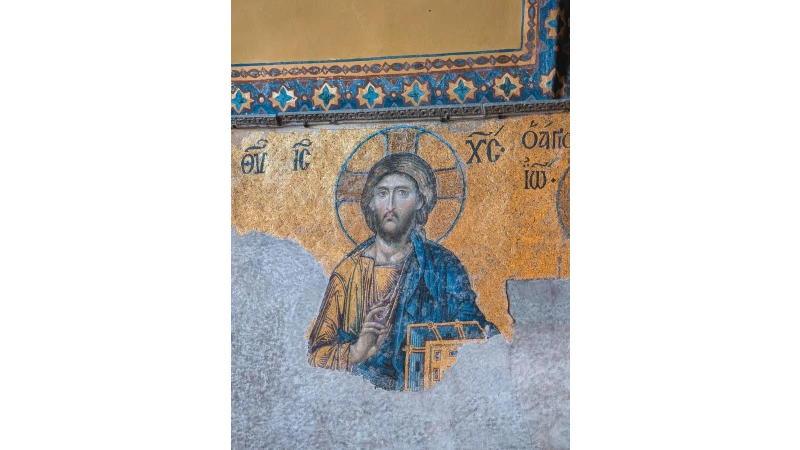
Istanbul is vast, hilly, and divided by water, so a beautiful place can be a poor choice if it requires too much travel time. For travelers on a layover, shore excursion, or short private tour, a hidden gem should offer a strong cultural experience while fitting naturally into the route.
Some locations below are well known to Istanbul residents and regular visitors. They feel hidden because they are often missed by travelers following the standard Old City circuit. Others have limited access, changing hours, or dress requirements. A licensed private guide can confirm the day’s conditions and arrange the itinerary around closures, traffic, and your return time.
A short distance from Sultanahmet, Little Hagia Sophia is one of the city’s most rewarding architectural stops. Originally built as a sixth-century Byzantine church, it later became an Ottoman mosque. Its modest size is precisely what makes it appealing. You can stand close enough to appreciate the dome, columns, and transformation of the building without the crowds that gather at the larger monuments.
This is an excellent addition for travelers who want Byzantine history but do not have a full day for museums. Visit outside prayer times, dress respectfully, and allow time to walk through the surrounding streets, where the pace feels noticeably calmer than Sultanahmet Square.
Near the Spice Bazaar, Rüstem Pasha Mosque has some of Istanbul’s finest Iznik tilework. The entrance is easy to miss because the mosque sits above a busy commercial area, reached by a staircase rather than a grand ceremonial courtyard. Inside, the walls display intricate blue, turquoise, and red floral tiles that reward a slower look.
It works especially well after a visit to the Spice Bazaar or before crossing the Galata Bridge. The trade-off is timing: it can be busy around prayer periods and may not suit travelers who prefer a completely step-free route.
Süleymaniye Mosque is a celebrated landmark, but the neighborhood around it often gets overlooked. From its elevated position, the grounds offer broad views across the Golden Horn, while the surrounding streets retain a more local rhythm than the heavily visited areas below.
This is a strong choice for travelers who want photographs, Ottoman architecture, and a pause from crowded streets in one stop. The steep approach can be challenging for guests with limited mobility, so private transportation and a carefully selected drop-off point make a meaningful difference.
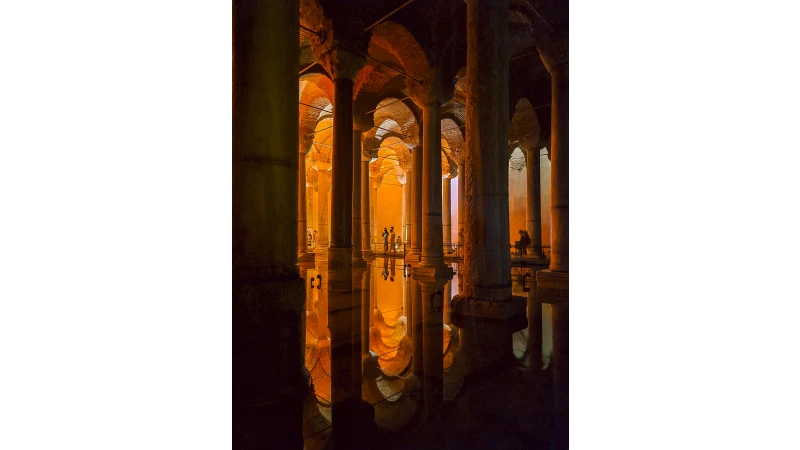
Many visitors know the Basilica Cistern, but the Theodosian Cistern, also called Şerefiye Cistern, offers a more intimate underground experience. Its restored columns and atmospheric lighting bring the city’s Roman infrastructure into focus without requiring as much time as a large museum visit.
Because entry procedures and presentation schedules can vary, it is best treated as a flexible addition rather than the fixed centerpiece of a short itinerary. It pairs well with the Grand Bazaar area and can be particularly useful on hot, rainy, or crowded days.
Kuzguncuk is a small Bosphorus neighborhood known for colorful wooden houses, neighborhood cafes, and an unusually relaxed atmosphere. It is one of the best places to experience Istanbul as a lived-in city rather than a list of monuments. The streets are compact, photogenic, and pleasant for a short walk.
Getting there takes planning. A cross-continental visit is worthwhile when you have enough time for a scenic ferry or private transfer and want a quieter experience. It is less practical for a very short layover or a cruise guest with a tight return window, when traffic and ferry timing should be handled conservatively.
Between Beşiktaş and Ortaköy, Yıldız Park provides shaded paths, landscaped gardens, and a welcome break from the city’s dense streets. Nearby, Ihlamur Pavilion offers an elegant glimpse of 19th-century Ottoman leisure and design. Together, they create a gentler alternative to rushing from one major palace to another.
These stops suit couples, families, and repeat visitors who have already seen the better-known waterfront landmarks. Spring and early fall are particularly pleasant, though the park’s sloped paths may not be ideal for every guest.
Fener and Balat are often described as colorful neighborhoods, but their real value is in the layers beneath the painted facades. The area includes Greek Orthodox heritage, restored houses, small workshops, steep streets, and views over the Golden Horn. A thoughtful route can include the Ecumenical Patriarchate, local bakeries, and quieter residential lanes without turning the visit into a rushed photo stop.
The neighborhood is best explored on foot with a guide who can provide historical context and choose a sensible route. Its hills are real, so comfortable shoes are essential. Guests who prefer minimal walking may enjoy a panoramic drive through the district instead.
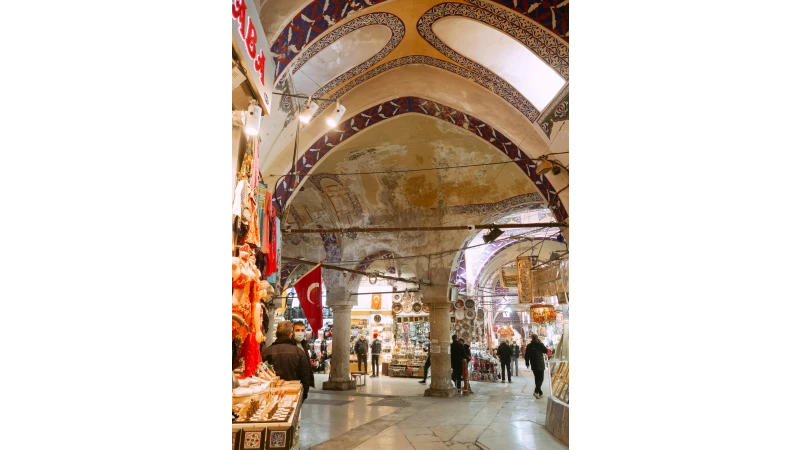
Tucked near the Grand Bazaar, Sahaflar Bazaar is a historic booksellers’ courtyard with a quieter personality than the main shopping lanes. Even visitors who do not read Turkish can enjoy the old-world atmosphere, book displays, and sense of continuity. It is a brief stop, but one that makes a Grand Bazaar visit feel more personal.
Behind the Blue Mosque, Arasta Bazaar is smaller and generally calmer than the Grand Bazaar. It is not the place for an all-day shopping expedition, but it is convenient for browsing ceramics, textiles, and gifts after visiting Sultanahmet. The advantage is location and pace. The trade-off is that selection is more limited than in Istanbul’s larger markets.
Near Cihangir and Beyoğlu, Çukurcuma is known for antique shops, vintage objects, and handsome old buildings. This area appeals to travelers who prefer design, photography, and café culture over another major monument. It can be combined with Galata or Taksim, but it is less efficient from the Old City than the sights around Sultanahmet.
The most effective short itinerary uses geography. Avoid crossing the Bosphorus, returning to the Old City, and then heading back toward the port or airport unless the experience is a priority. Istanbul traffic can change quickly, particularly on weekdays and near bridge crossings.
For cruise passengers departing from Galataport, a practical route may combine Karaköy, Galata, Çukurcuma, and a waterfront stop in Beşiktaş. For travelers with a longer layover, the Old City can include Little Hagia Sophia, the Theodosian Cistern, Rüstem Pasha Mosque, and the Süleymaniye area. A full-day private itinerary can comfortably combine highlights with one neighborhood experience, but trying to fit every district into one day usually creates more time in the vehicle than at the sights.
Mosques require modest clothing and may close temporarily during prayer times. Museums and historic sites can have seasonal schedules, and some venues close on specific days. For that reason, a fixed online list should never replace real-time route planning.

Private transportation is especially valuable when traveling with children, luggage, or limited mobility, and when your return time is non-negotiable. Eternal Wonder Tours can tailor a private route around your arrival point, preferred pace, and confirmed flight or cruise schedule, with licensed guidance and transportation arranged together.
The right hidden gem is the one that gives you a memorable Istanbul moment without making the rest of your day feel rushed. Leave room for a view, a courtyard, a cup of Turkish tea, and the unexpected details that make this city stay with you long after departure.











 info@eternalwondertours.com
 +90 5357094145
