German Fountain Istanbul – History, Location & Meaning
TRY EUR AED CAD CNY JPY BGN GBP RUB
TürkçeTürkçe РусскийРусский EspañolEspañol FrançaisFrançais DeutschDeutsch 中文中文 БългарскиБългарски IndonesiaIndonesia ItalianoItaliano 日本語日本語 PortuguêsPortuguês SvenskaSvenska العربيةالعربية
Who are We? | Why Choose Us? Who We Are Private Istanbul Layover Tours | Licensed Guided with Private Airport Transfers Private Istanbul Tours & Guided Activities Private Istanbul Shore Excursions | Galataport Private Tours Tours and Activities Tell Us About Your Travel Plans Blogs Contact

German Fountain Istanbul: The Landmark Every Tour Passes — But Few Explain

German Fountain Istanbul: The Landmark Every Tour Passes — But Few Explain

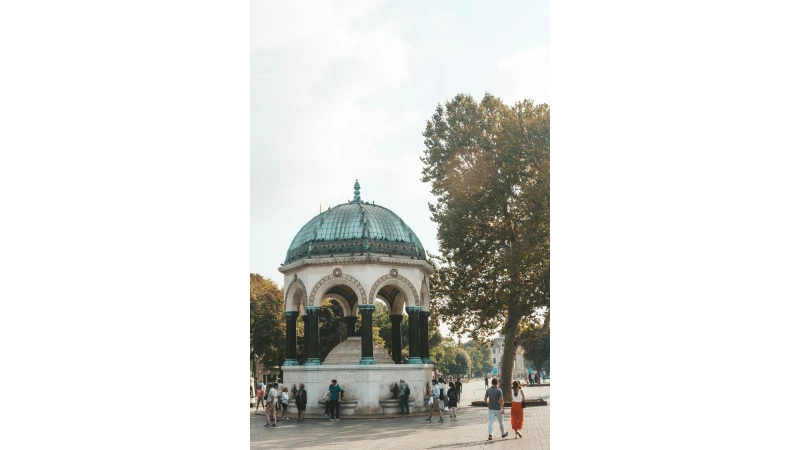
The German Fountain (Alman Çeşmesi) is not a “main attraction” in Istanbul.


It’s a pass-by landmark.

Almost every Sultanahmet tour walks past it, most people take a quick glance, maybe a photo — and move on.

But it still matters. Not because it’s visually impressive.

Because of what it represents historically and politically.


A Stop You Don’t Plan — But Always Pass


You don’t visit the German Fountain as a primary destination.

You encounter it naturally while walking between:

Hagia Sophia

Blue Mosque

Roman Hippodrome

Sultanahmet Square

It’s part of the natural flow of any Old City walking route — especially on layover tours or short-time city tours.

No extra walking.

No time loss.

Just a quick but meaningful contextual stop.


Why It Exists at All


The fountain was gifted by German Emperor Wilhelm II in 1898, during a period when Germany was strengthening ties with the Ottoman Empire.

This wasn’t about providing water.


It was about:

Showing political presence

Strengthening diplomatic influence

Leaving a symbolic mark in the Ottoman capital

It was built in Germany, shipped in pieces, and assembled in Istanbul — a physical sign of foreign influence in the city.

A small monument.

A strategic message.


Architecturally Different — On Purpose


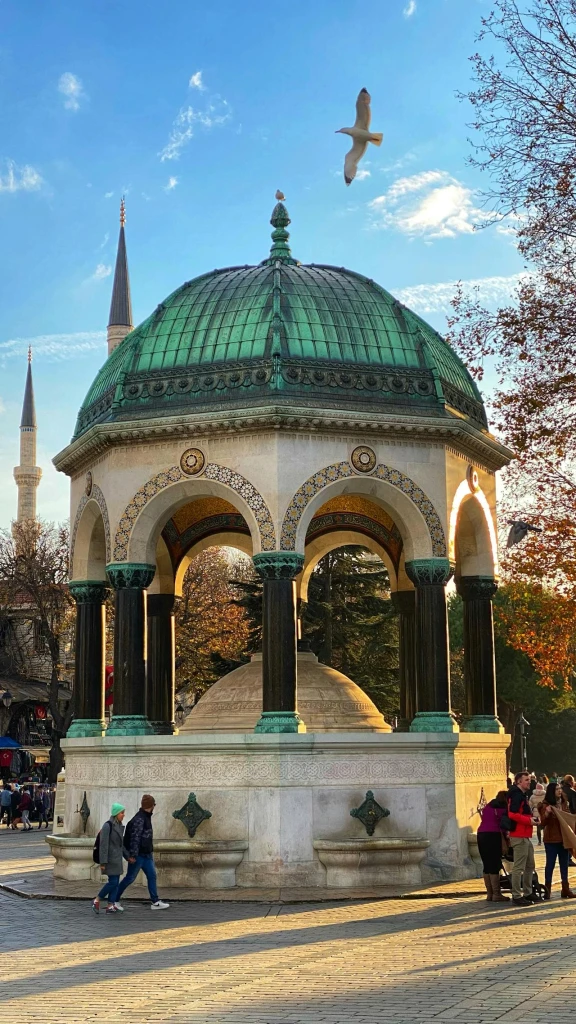
The fountain doesn’t look fully Ottoman. That’s intentional.

Key details:

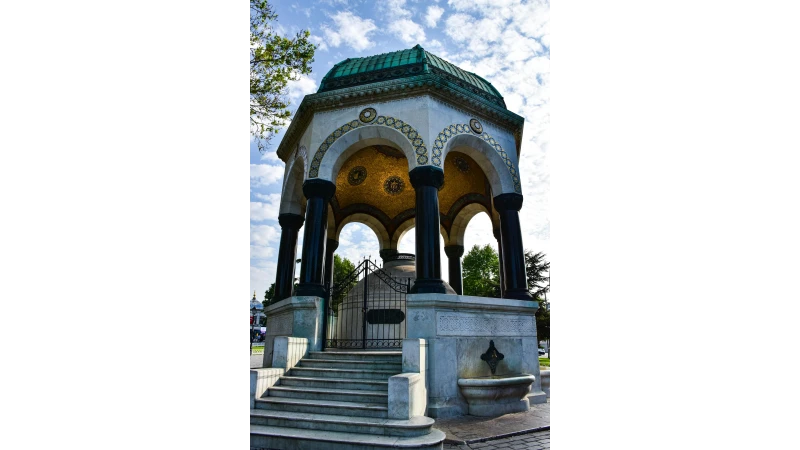
European-influenced Neo-Byzantine style

Eight marble columns

A green dome with gold mosaics

Monograms of both Wilhelm II and Sultan Abdülhamid II

It visually represents two empires sharing one structure — rare in Istanbul’s historical landscape.


Why Guides Mention It — Even Briefly


Most tour groups don’t stop long here.

But good guides use it to explain:

Late Ottoman–German relations

Foreign political influence in Istanbul

How diplomacy shaped monuments in the city

It works best as a short storytelling point, not a long visit.

Think of it as:

A context marker, not a highlight.


Its Real Role in a Sultanahmet Tour


The German Fountain’s value is not as a standalone attraction.

Its value is that it:

Adds historical depth without adding time

Enhances the story of Sultanahmet and the Hippodrome

Gives visitors a better understanding of late Ottoman politics

Fits perfectly into tight schedules and short tours


Especially useful for:


IST layover travelers


Cruise passengers from Galataport

Guests who want efficient but meaningful sightseeing


How We Treat It on Eternal Wonder Tours

At Eternal Wonder Tours, we don’t oversell the German Fountain.

We treat it as it is:

A quick contextual stop

A short explanation point

Part of a smooth Sultanahmet route — not a time-waster


We focus on:


Efficient pacing

Clear historical explanations

Smart routing for limited-time visitors

Private tours that respect time constraints


Licensed TURSAB #13299 — Private Istanbul tours built around timing, flow, and real priorities.

If you want to experience Sultanahmet without wasting time on overrated stops,


book a private Istanbul city tour or a layover tour with Eternal Wonder Tours.

Didn't find what you were looking for? With us get in touch!
You can contact us for more tours or other things. You can reach our support team 24/7.
Subscribe to Our E-Newsletter
Subscribe to our e-newsletter to be instantly informed about campaigns and opportunities!