
 日本語
 Türkçe
 English
 Русский
 Español
 Français
 Deutsch
 한국어
 中文
 Български
 हिन्दी
 Indonesia
 Italiano
 Melayu
 Português
 Svenska
 العربية


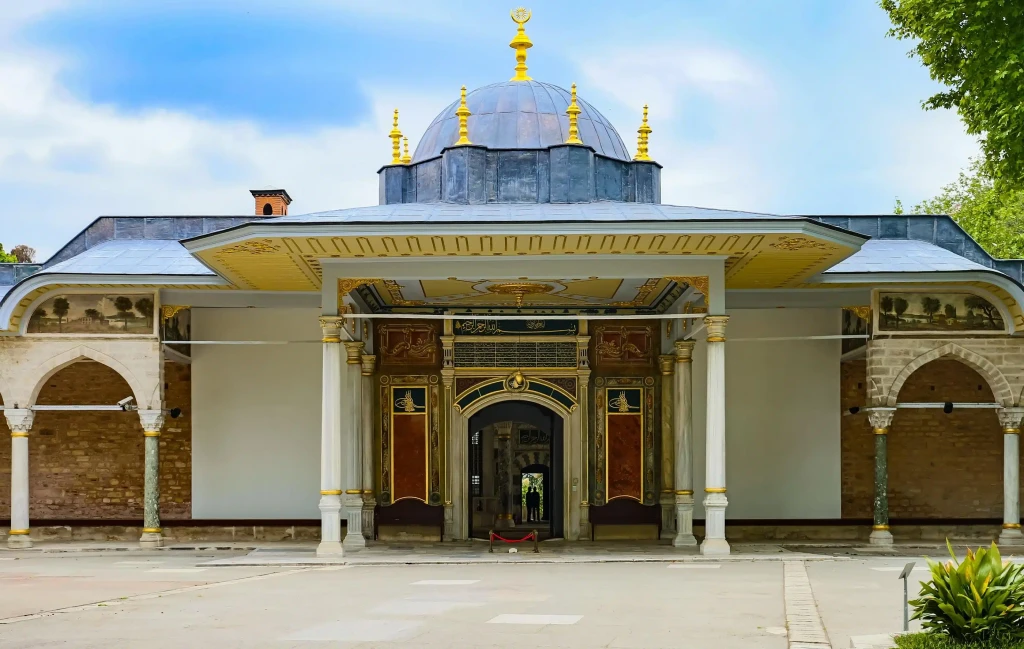
Yes, visitors can enter Topkapi Palace, one of Istanbul’s essential historic sights. But the answer matters most when your time is limited: entry involves security screening, ticket arrangements, and a large palace complex that can easily take longer than expected. For cruise guests, layover travelers, and families with a fixed schedule, planning the visit correctly makes the difference between a rewarding experience and a rushed one.
Topkapi Palace sits within the historic Sultanahmet area, close to Hagia Sophia and the Blue Mosque. It was the administrative and residential center of the Ottoman sultans for centuries, and today it operates as a museum complex. Most visitors are welcome to explore the main courtyards, imperial collections, pavilions, gardens, and many exhibition rooms during public opening hours.
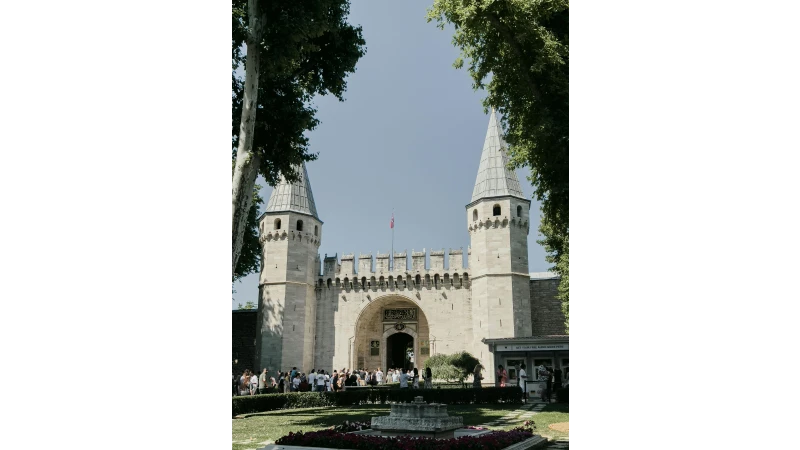
Visitors may enter independently with a valid admission ticket. You do not need to join a group tour to access the palace. Independent entry can work well for travelers who have plenty of time, are comfortable navigating the complex, and do not mind waiting in ticket or security lines.
A licensed guide is optional, but it can be especially useful at Topkapi Palace. The site is not a single building with one straightforward route. It is a series of courtyards, gates, chambers, kitchens, terraces, and collections, each connected to a different part of Ottoman court life. Without context, it is easy to pass through important spaces without understanding why they mattered.
For guests on a short Istanbul layover or a Galataport shore excursion, a private guided visit also provides a practical advantage: your route can be prioritized around the time you have available, with transportation and onward timing planned around your flight or ship departure. It does not remove mandatory security procedures, but it does reduce uncertainty around the day’s schedule.
A standard admission ticket generally provides access to the main Topkapi Palace museum areas open to the public. These commonly include the outer courtyards, selected state rooms, treasury displays, imperial kitchens, gardens, and scenic viewpoints over the Bosphorus and Golden Horn.
However, not every part of the complex is included under the same conditions. The Harem, the private residential world of the sultan’s family and court, has often required separate or specifically combined admission. It is one of the palace’s most sought-after sections, so confirm the current ticket arrangement before arriving. The Hagia Irene church, located within the outer grounds, may also have separate access rules depending on current operations and events.
Ticket policies, prices, and included sections can change. This is particularly relevant in Istanbul, where museum arrangements and opening times may be adjusted seasonally or around religious holidays. Do not assume that a ticket type, price, or access rule you saw months ago will still apply on the day you visit.
If your itinerary allows, the Harem deserves more than a quick add-on. Its rooms, tiled corridors, courtyards, and apartments reveal the palace as a lived-in household rather than only a seat of imperial power. It also tends to feel more confined and can become crowded, which means it may not be the best choice for every tight itinerary.
Travelers with only two or three hours in Sultanahmet may prefer to focus on the main palace route and the views from the terraces. Those with a half-day or longer can usually enjoy the Harem at a more comfortable pace.
All visitors should expect an airport-style security check before entering the palace area. Bags may be screened, and wait times can increase during peak travel months, on weekends, and after large tour groups arrive. Carry only what you need for the day, and allow extra time even if you have arranged entry in advance.
After security, you may need to validate or purchase admission according to the ticket option you have chosen. Lines can build quickly from late morning onward. Arriving near opening time is often the most reliable way to experience the palace with less crowd pressure and more flexibility for the rest of your day.
Topkapi Palace is traditionally closed on Tuesdays, though travelers should always confirm the current schedule before finalizing plans. Opening hours can vary by season, and last admission is typically earlier than the official closing time. If you arrive late in the afternoon, you may be admitted but have insufficient time to see the sections that matter most to you.
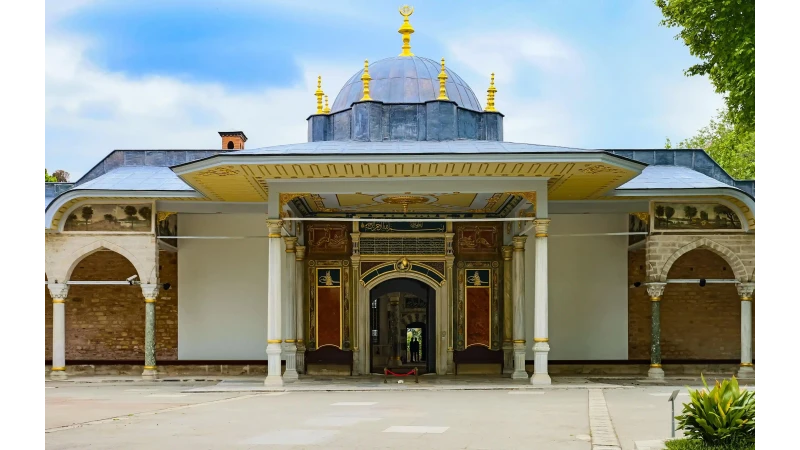
For a focused visit to the principal courtyards and major exhibits, allow at least two hours after you clear security. Add roughly an hour or more if you plan to visit the Harem, enjoy the terraces, take photographs, or move at a slower pace.
A realistic visit often looks like this:
The palace is extensive, with uneven historic surfaces, steps, and several areas where visitors naturally slow down. It is manageable for many families and older travelers, but it is not ideal to treat as a quick 30-minute stop between appointments.
Topkapi Palace is a protected museum site, not a working religious building, so visitors do not generally need the same clothing standards required at an active mosque. Still, respectful attire is always appropriate in a historic royal and cultural setting. Comfortable walking shoes are far more important than formal footwear.
Photography rules vary by room. Outdoor photos are generally straightforward, but flash photography, video recording, or photography inside certain exhibition spaces may be restricted. Follow posted signs and staff instructions. Some of the most valuable collections are displayed in controlled environments, and rules are designed to protect them.
Food and drinks are not appropriate in exhibition rooms. Large bags, tripods, drones, and professional equipment may be restricted or require special permission. Visitors should also avoid touching walls, artifacts, or historic surfaces, even when barriers seem minimal.
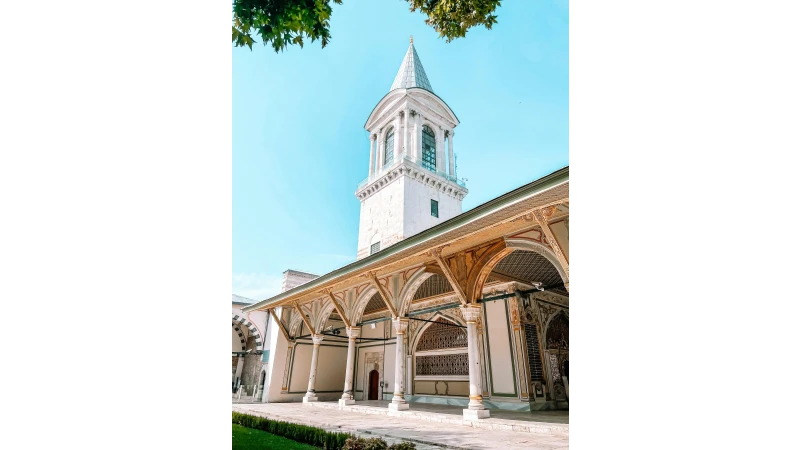
Topkapi Palace works naturally with the major landmarks of the Old City, but trying to see every attraction in one day can become exhausting. Hagia Sophia, the Blue Mosque, Basilica Cistern, and the Grand Bazaar all deserve time in their own way.
If Topkapi Palace is your priority, visit early and schedule one or two nearby sights afterward. If you are arriving from a cruise ship or have a flight later that day, build in a meaningful return buffer. Istanbul traffic, port procedures, airport travel time, and museum crowds should all be considered before setting a final itinerary.
For travelers who want the cultural depth of the palace without managing transportation, timing, and route decisions alone, a private tour can be tailored around a ship’s all-aboard time or an airport return. Eternal Wonder Tours can arrange private Istanbul sightseeing with licensed guidance and a schedule designed around time-sensitive travel plans.
Topkapi Palace is an excellent choice for first-time visitors, history enthusiasts, couples, and families interested in Ottoman culture. It is less suitable for travelers who dislike crowds, have very limited walking tolerance, or have only a brief gap between airport or port commitments. In those cases, a panoramic drive, a Bosphorus experience, or a carefully selected single landmark may offer a more comfortable use of time.
The best approach is simple: decide whether you want a quick introduction or a deeper palace experience, then give yourself enough time to enter without stress. When a former imperial home contains centuries of stories behind every gate, rushing is rarely the best way to see it.











 info@eternalwondertours.com
 +90 5357094145
