
 English
 Türkçe
 Русский
 Español
 Français
 Deutsch
 한국어
한국어
 中文
中文
 Български
 Indonesia
 Italiano
 日本語
日本語
 Português
 Svenska
 العربية


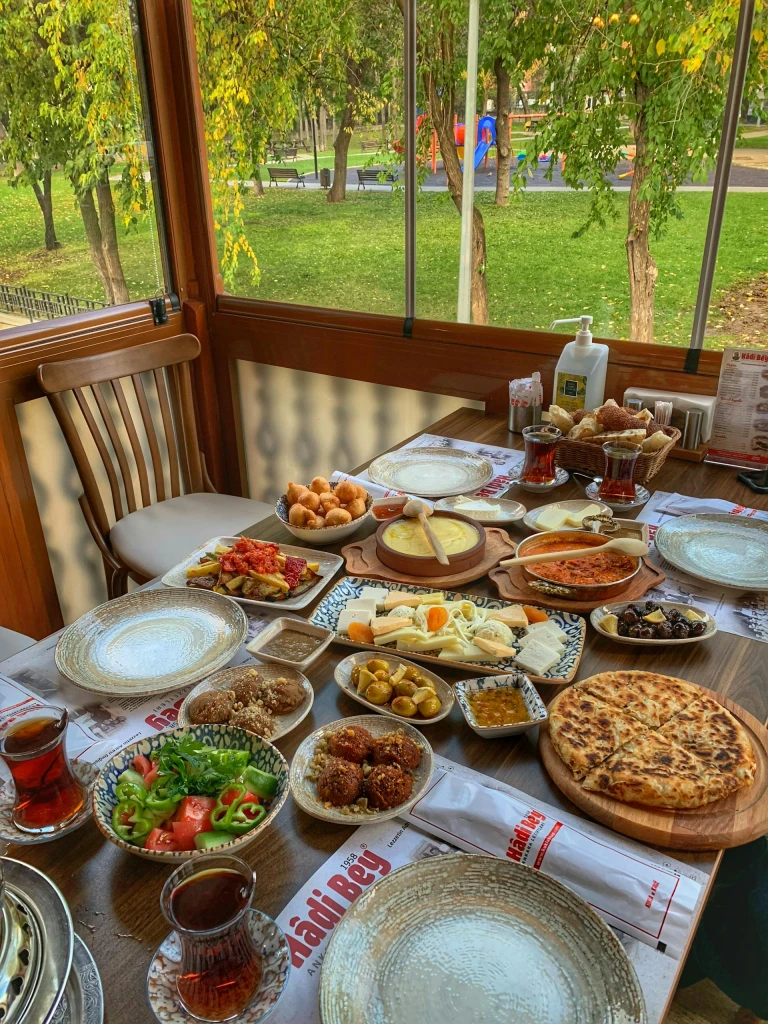
A great Istanbul meal can take ten minutes at a neighborhood counter or two unhurried hours beside the Bosphorus. The difference is not just the food - it is the plan around it. If you are wondering how to plan Istanbul food tour experiences that fit a layover, cruise call, or short city break, start by treating food as part of your route, not a series of restaurants pinned across the map.
Istanbul is large, hilly, and divided by water. Trying to eat breakfast in Europe, lunch in Asia, and dinner near your hotel may sound efficient, but ferry queues, traffic, and a delayed table can quickly change the day. A well-planned food tour gives you local flavor while protecting the time you need for sightseeing, a flight, or cruise departure.
Your food itinerary should begin with the time you must be back, not the first dish you want to try. Cruise guests should allow a comfortable buffer before all-aboard time. Travelers heading to Istanbul Airport should factor in traffic, terminal procedures, and the distance from central neighborhoods. On a layover, this margin is especially important.
For a half-day visit, choose one compact area and plan three to five tastings rather than a full restaurant meal at every stop. For a full day, you can combine two nearby districts with sightseeing in between. A private guide and driver can be particularly useful when your schedule has a fixed airport or port return, because the route can be adjusted without leaving you to solve transportation between food stops.
Do not schedule your final meal at the farthest point from your departure location. Keep the last stop close to your hotel, Galataport, or the transfer route you will use afterward. It is a simple decision that removes unnecessary pressure from a day meant to be enjoyable.
The best answer to how to plan Istanbul food tour days is to choose a food theme and a neighborhood structure. Istanbul offers more than enough options for several visits. Trying to cover everything usually means spending more time in transit than eating.
The Historic Peninsula works well for first-time visitors who want classic dishes alongside major landmarks. You can combine a morning near Sultanahmet with Turkish breakfast, soup, pide, kebab, baklava, or Turkish coffee. It is convenient, but popular streets can be busy and some venues are geared heavily toward tourists. A knowledgeable guide can help distinguish a convenient stop from a place worth your appetite.
Karakoy, Galata, and Beyoglu suit travelers who enjoy a more contemporary mix of bakeries, meze, casual restaurants, and dessert shops. This route is practical for many cruise guests and visitors staying near Taksim. The streets are walkable in sections, although hills and cobblestones can make it less comfortable for guests with limited mobility.
Kadikoy on the Asian side is a strong choice for travelers with more time. Its market atmosphere, local eateries, and everyday food culture offer a different side of Istanbul. The ferry ride can be part of the experience, but it is not the right choice for a tight layover or a day with a non-negotiable departure deadline.
For a more traditional, neighborhood-focused route, Uskudar, Fatih, or the areas around the Spice Bazaar can be rewarding. The right choice depends on where you start, how long you have, and whether food is the main event or a complement to sightseeing.
Istanbul's food culture has its own rhythm. Breakfast is often substantial and social, with cheeses, olives, eggs, tomatoes, jams, bread, tea, and regional specialties. It is a good choice for an early-arriving traveler, but it can be filling enough to affect the rest of the itinerary.
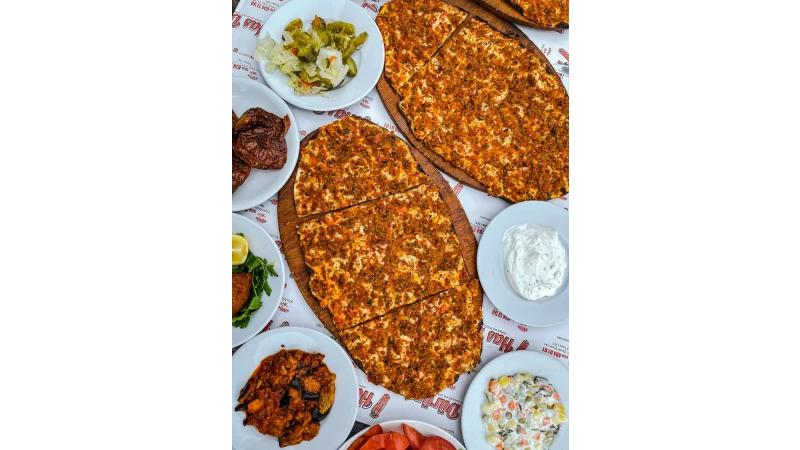
Lunch is ideal for a focused main course such as a kebab, lahmacun, pide, or home-style Turkish dishes. If you want variety, share portions. This leaves room for a sweet stop later rather than ending the tour after one oversized meal.
Afternoon is excellent for tea, Turkish coffee, simit, pastries, or baklava. Dinner tends to start later than many US travelers expect, especially at sit-down restaurants. If you have an early airport transfer the next morning, an earlier reservation is usually more practical than planning a long dinner at 9:00 p.m.
Avoid building the entire day around venues that open late or become crowded at peak hours. A food tour should feel organized, but not rushed. Leave room for a short wait, an unplanned market purchase, or the reality that one stop may be more enjoyable than expected.
A memorable route includes familiar favorites, but it should also reflect your dietary needs and comfort level. Before booking a tour or choosing restaurants, tell your guide about vegetarian, vegan, halal, gluten-free, allergy, and medical requirements. Turkish cuisine can be very accommodating in some areas, but assumptions are risky, particularly with nuts, dairy, wheat, and cross-contact in busy kitchens.
Vegetarians can enjoy many meze, vegetable dishes, soups, pastries, and breakfast items, though some recipes may use meat stock. Vegan travelers should ask about butter, yogurt, eggs, and broth. Guests with celiac disease or serious gluten sensitivity should plan carefully because bread is central to many meals and shared preparation areas are common.
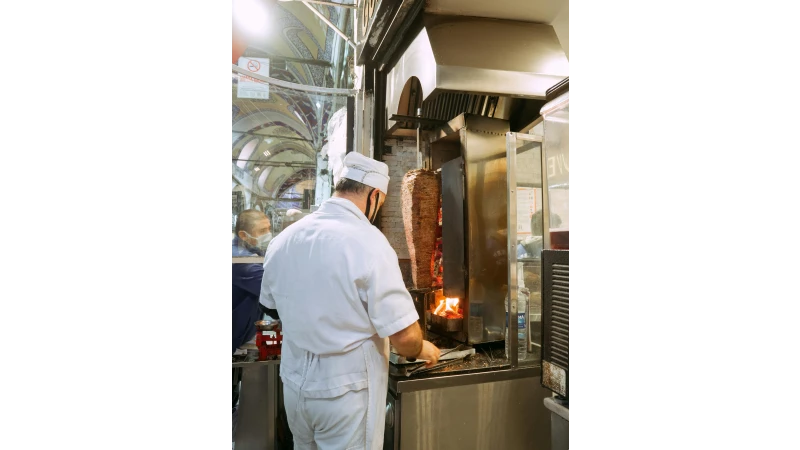
It also helps to decide how adventurous you want to be. Street food can be an excellent part of Istanbul, especially when it is freshly prepared at a busy, reputable stand. Still, select stops where food turnover is high, hot dishes are served hot, and your guide can communicate clearly with vendors. The goal is not to avoid local food culture. It is to experience it with sound judgment.
In Istanbul, a route that appears short on a map can take longer than expected. Traffic, weather, ferry schedules, steep streets, and crowds all affect timing. This is why a food itinerary should be geographically logical.
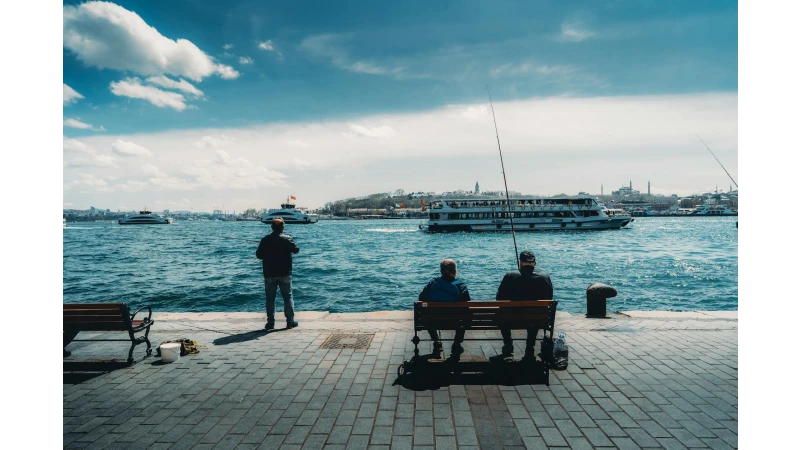
Walking is often the best way to experience market neighborhoods, but it should be paired with realistic distances. Use a vehicle for larger transitions, then walk for the part of the district where the food experience happens. If you plan to cross the Bosphorus, allow extra time and do not make a ferry crossing the final activity before a flight or ship departure.
Private transportation is especially valuable for families, guests carrying shopping bags, travelers with mobility concerns, and anyone arriving from a cruise or continuing to the airport. It also gives you a place to keep souvenirs, bottled water, or an extra layer for changing weather.
Independent food exploration can work well if you have flexibility, speak comfortably with restaurant staff, and enjoy researching routes. A private guided experience is often the better choice when time is limited or the stakes are high. Your guide can sequence stops, explain regional dishes, manage reservations when needed, and adjust the plan if traffic or crowds change the day.
For visitors arriving at Galataport, on a layover, or with a short stay, this local coordination matters as much as the food itself. Eternal Wonder Tours can tailor a private Istanbul experience around your arrival point, preferred dishes, dietary requests, and required return time, with transportation arranged for a more controlled schedule.
A guide should not turn the day into a checklist. Ask for a pace that leaves time to sit down, ask questions, and enjoy the neighborhood between tastings. The best tours feel personal because they respond to your appetite and schedule, not because they squeeze in the most stops.
Make your core plan reliable: choose the area, confirm the timing, protect your return transfer, and communicate dietary needs in advance. Then leave a little space for the moment Istanbul does something unexpected - a fragrant bakery near the market, a seasonal dessert recommended by your guide, or a small tea garden you would have walked past otherwise.
That balance is what turns a food tour from a busy eating schedule into a day you will remember long after the last cup of tea.










 info@eternalwondertours.com
 +90 5357094145